Mobility equipment has moved far beyond basic wheels, frames, and batteries. Today, users expect safer movement, easier control, quieter operation, and better comfort across homes, streets, clinics, and workplaces. So, what are the key features of modern mobility equipment, and why do they matter in daily life?
The World Health Organization and UNICEF reported in the Global Report on Assistive Technology that more than 2.5 billion people need at least one assistive product worldwide. This number may reach 3.5 billion by 2050. That evidence shows why mobility design must serve varied bodies, abilities, environments, and budgets. A lightweight wheelchair may help someone transfer beside a narrow bed. A powered scooter may need stable handling across uneven pavement. Small details can decide whether equipment feels empowering or frustrating.
Modern products increasingly combine ergonomic design, adjustable support, strong materials, intelligent controls, portability, safety systems, and energy efficiency. International standards, including the ISO 7176 series for wheelchairs, also guide performance and testing. However, certification does not guarantee a perfect user experience. Real users may still face poor fitting, difficult maintenance, weak charging access, or confusing controls.
That gap deserves attention. Equipment should be judged by practical use, not impressive specifications alone. The following outline examines seven defining features, using industry evidence and everyday examples. It also considers limitations, because even well-designed mobility equipment can fail when comfort, accessibility, or personal needs are overlooked.
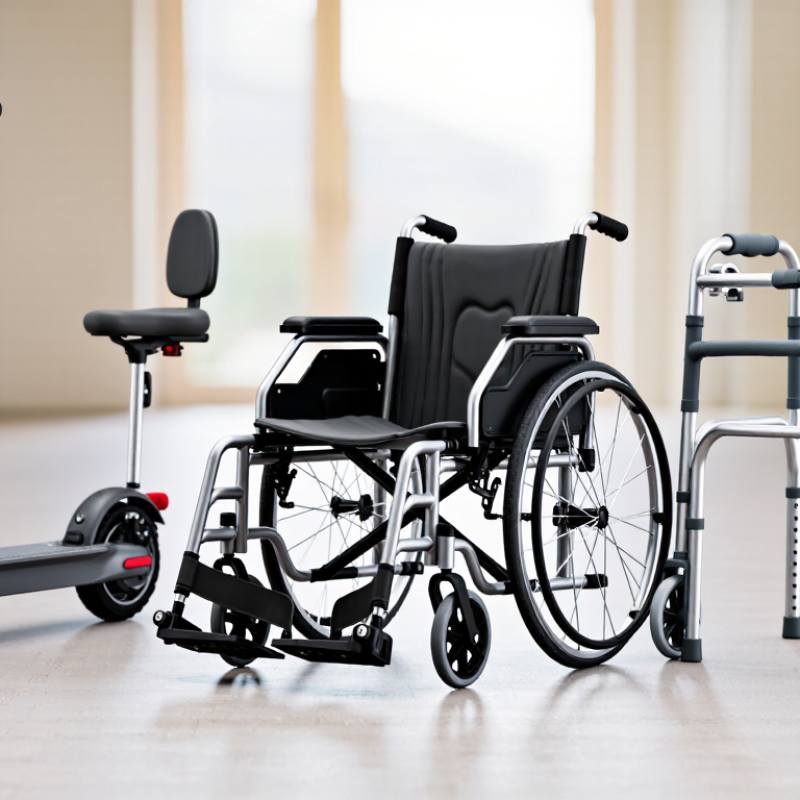
Modern mobility equipment includes devices that help people stand, walk, transfer, or move independently. Its evolution began with passive frames, basic wheels, and fixed supports. Today, equipment often combines biomechanics, electronics, and user feedback.
The seven key features are adjustability, lightweight construction, powered assistance, stability, sensor-based safety, connectivity, and modular design.
The WHO and UNICEF Global Report on Assistive Technology estimates that over 2.5 billion people need assistive products worldwide. This number may exceed 3.5 billion by 2050. These figures explain the shift toward adaptable equipment for aging users and people with disabilities.
A modern device may adjust seat height, detect uneven flooring, or provide controlled support during transfers. It should also fit narrow doorways, wet floors, and crowded homes. Small details matter.
The UN World Population Prospects 2022 reports continued global population aging. Therefore, comfort, battery efficiency, and easy maintenance are becoming essential design measures.
However, connected features are not automatically better. Sensors can misread movement, and complex controls may confuse users with limited dexterity. Engineers should test equipment with therapists, caregivers, and real users. A perfect design remains unlikely. Safety must be measured in daily routines, not only laboratories. Confidence grows when equipment feels predictable, repairable, and respectful of personal choice.
It includes devices that help people stand, walk, transfer, or move independently. Examples include adjustable walkers, transfer aids, and powered chairs. The best option depends on daily routines, strength, space, and confidence.
Key features include adjustability, light construction, powered assistance, stability, sensors, connectivity, and modular parts. These features should solve real problems. More technology does not always mean better support.
A lighter device is easier to lift into a car trunk or move through a hallway. However, excessive weight reduction may weaken stability or durability. Balance matters more than the lowest possible weight.
Folding frames, removable footrests, compact dimensions, and built-in carry points improve transport. Clear locks help prevent movement during loading. A folding mechanism may still be difficult for weak hands.
Sensors can detect obstacles, monitor batteries, and provide service alerts. A battery warning may prevent stopping beside a pavement. Sensors can misread movement, so users still need careful control.
Accessible equipment has readable instructions, reachable controls, easy cleaning, and compatible ramps or lifts. Controls should work for people with limited grip or vision. Small details matter.
Replaceable parts can reduce repair delays and equipment waste. Service records should track battery health, tire wear, charging cycles, and brake response. A loose armrest can reduce confidence every day.
Users should test doorways, uneven pavements, wet floors, vehicle loading, and charging access. The device should feel predictable and repairable. Personal routines should shape the choice before purchase.
No. Reliable brakes, a quiet motor, and a reachable charging socket may matter more than extra features. This remains an imperfect decision. Real users should be consulted earlier.
Modern mobility equipment has evolved from basic support tools into practical, user-focused solutions that promote independence, comfort, and confidence in daily life. If you ask, “what are the key features of modern mobility equipment,” the answer begins with an adjustable design that allows users to achieve a better fit, posture, and level of personalized support. Ergonomic comfort, lightweight construction, and easy portability also make equipment simpler to use, store, and transport.
Seven important features include adjustable fit, personalized comfort, lightweight materials, portability, safety, stability, and smart accessibility. Reliable performance is essential for everyday movement, while secure supports and balanced construction can help users feel more confident. Modern equipment may also include practical technology that improves usability, tracking, or access to assistance. Finally, durable materials, routine cleaning, proper storage, and regular inspections support long-term care and dependable performance without compromising user safety.

 Merlix Chair