Falls are not an unavoidable part of aging. However, they remain a serious concern for many older adults, especially those living with weak muscles, poor vision, balance problems, or medication side effects. A loose rug, dim hallway, or wet bathroom floor can change an ordinary morning within seconds. This guide explores how to reduce the risk of falls for elderly people through practical, evidence-informed steps. It focuses on safer homes, stronger movement, regular health checks, and better daily habits.
Medical professionals often recommend combining several small protections instead of trusting one solution. A physiotherapist may suggest balance exercises, while an eye specialist can identify vision changes that affect walking. A pharmacist or doctor can also review medicines that cause dizziness or sleepiness. Handrails, brighter lights, supportive footwear, and properly adjusted walking aids may provide meaningful protection. Still, every older person has different abilities, health conditions, and preferences. What works for one household may not work for another. No plan is perfect.
The most reliable approach begins with an honest assessment. Notice when unsteadiness happens. Is it near the bed, on stairs, or after standing quickly? Write these details down. Family members and caregivers can help, but older adults should remain involved in decisions whenever possible. This article presents practical strategies for 2026, while recognizing that professional advice is essential after a fall, fainting episode, sudden weakness, or repeated loss of balance. Small changes can help. Consistency matters more.
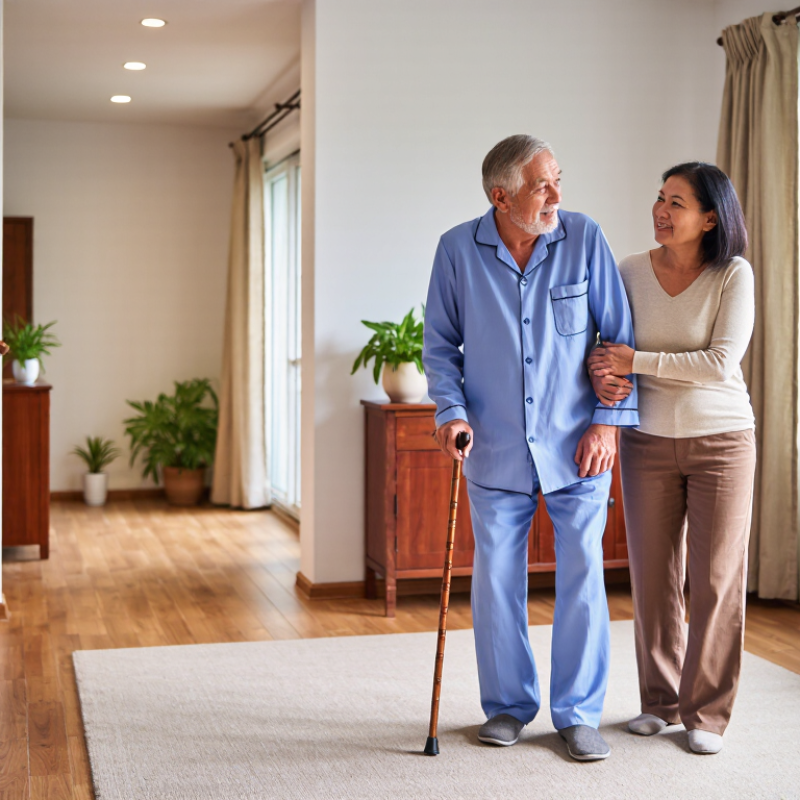
Understanding fall risk starts with the person, not a generic checklist. The U.S. Centers for Disease Control and Prevention reports that more than one in four adults aged 65 and older falls annually. The World Health Organization estimates about 684,000 fatal falls worldwide each year. Adults over 60 experience the greatest burden. These numbers describe danger, but not the whole story. A fall may begin with dizziness, weak legs, poor lighting, or a hurried bathroom visit.
Medication review matters. Sedatives, some blood-pressure medicines, and multiple prescriptions can increase dizziness or confusion. Vision changes and unsafe footwear also deserve attention. Clinicians should check walking, balance, blood pressure, eyesight, and home hazards. Ask about near-falls, too. They are warnings, not harmless accidents. A loose rug beside the bed can matter more than an obvious staircase.
Risk reduction should fit daily routines. Strength and balance exercises can improve leg control, especially when practiced consistently and supervised appropriately. Brighter lighting, handrails, non-slip bathroom surfaces, and reachable storage reduce risky stretching. Correctly fitted walking aids may help, but an unsuitable aid can create new problems. Prevention is not perfectly tidy. Someone may understand every recommendation and still rush when the phone rings. That human detail deserves attention during care planning.
Sources: CDC, Older Adult Falls; WHO, Falls fact sheet.
Remove loose rugs, trailing cords, and low objects from walking paths. Secure essential furniture so it cannot slide during transfers. Improve lighting near stairs, entrances, and the bedroom route. Motion-sensitive night lights can help, but harsh glare may also reduce visibility. In the bathroom, install stable grab supports and use non-slip flooring. A towel rail is not a reliable handhold.
Daily habits deserve equal attention. Encourage well-fitting shoes, slower turns, and rest before fatigue becomes severe. Keep frequently used items between waist and shoulder height. Review whether glasses, hearing support, or medicines affect balance and alertness with a qualified healthcare professional. Never change prescribed medicine without clinical advice.
A home can look tidy and still feel unsafe at 2 a.m. Recheck the environment after illness, reduced strength, or a change in walking ability. An occupational therapist or physiotherapist can assess transfers and recommend practical adjustments. Family members may notice hazards, but they can also overlook routines they see every day. Reassess without assuming yesterday’s solution still works.
Improving Strength, Balance, Vision, and Mobility
Falls often begin with small changes, such as weaker legs or slower reactions. Regular strength training can make daily movements safer. Try sit-to-stand exercises from a firm chair. Practice heel raises while holding a stable surface. A qualified physiotherapist can adjust repetitions for pain, fatigue, or medical conditions. Two or three short sessions each week may be more realistic than one demanding workout.
Balance needs direct practice. Stand near a counter and shift weight slowly from side to side. Walking along a clear hallway can improve control and confidence. Stop immediately if dizziness, chest pain, or unusual breathlessness appears. Vision also deserves attention. Schedule eye checks and update prescriptions when needed. Brighter lighting can reveal a loose rug, a step, or spilled water before it becomes dangerous.
Mobility is not only about walking farther. It includes turning, rising, reaching, and using stairs safely. Supportive shoes, carefully fitted walking aids, and uncluttered pathways can help. An occupational therapist may identify hazards that families overlook. I have seen well-designed plans fail when they ignored tiredness or fear. That matters. Progress may be uneven, and forcing exercise can reduce trust. Record difficult moments, then discuss them with a healthcare professional. Small changes, repeated patiently, often fit real life better.
Reviewing medications can significantly reduce fall risk in older adults. Some medicines cause dizziness, drowsiness, blurred vision, or slower reactions. Common examples include sleep aids, strong pain medicines, blood pressure drugs, and certain anxiety treatments. Never stop a prescription suddenly. A doctor or pharmacist should review every medicine, including nonprescription products and supplements.
Bring all medicine containers to the appointment. Include the dose, timing, and reason for each one. A simple record can reveal patterns, such as dizziness after breakfast or weakness when standing at night. The clinician may check blood pressure while sitting and standing. A large drop can increase fall risk. Dose changes should happen gradually and with monitoring.
Health conditions also need active management. Poorly controlled diabetes may cause low blood sugar, sweating, or confusion. Arthritis can weaken steps, while vision problems may hide loose rugs or uneven floors. Heart rhythm problems can cause sudden faintness. A medication review is not perfect on the first visit. Symptoms change, and an overlooked supplement can matter. I may focus too much on the prescription list and miss sleep, hydration, or walking confidence. Older adults should report new unsteadiness, fainting, confusion, or unusual tiredness promptly. A walking aid, stronger leg muscles, and safer footwear may support the medical plan.
Creating an Emergency Response and Prevention Plan
A fall plan should answer one urgent question: what happens in the next five minutes? Keep emergency numbers, medical conditions, medicines, and trusted contacts near the telephone. Keep it visible. Place a charged phone within reach from the floor. A small whistle can help when calling feels impossible. Show family members where these details are stored, and update them after every medical change.
If a fall occurs, stay calm and ask whether the person can speak and breathe normally. Do not lift them quickly. Suspected head, neck, back, or hip injuries require minimal movement and urgent medical help. Call the local emergency number for severe pain, heavy bleeding, confusion, or breathing problems. Cover the person with a blanket while waiting. Offer reassurance, but avoid food, drink, or unnecessary medicine. Record the fall time, symptoms, and possible cause for medical staff. Small details matter.
Prevention begins after the immediate danger passes. A healthcare professional can review balance, vision, blood pressure, and medicines that may cause dizziness. Remove loose rugs, improve hallway lighting, and add secure handholds near steps and bathrooms. Wear supportive shoes indoors. Gentle strength and balance exercises can help, when approved by a professional. Practise the response plan every few months. Plans are rarely perfect. A missed contact number or blocked walking path can expose that weakness before a real emergency does.
Creating an Emergency Response and Prevention Plan
These planning targets reflect common public-health guidance: regular strength and balance exercise, periodic medication and vision reviews, repeated home-safety checks, and emergency-response practice. Older adults should personalize the plan with a healthcare professional, especially after a fall or medication change.
More than one in four adults over 65 falls each year. Weak legs, dizziness, poor lighting, and hurried movements can contribute.
Remove loose rugs, trailing cords, and low objects from walking paths. Secure furniture, improve stair lighting, and keep floors dry.
Add stable grab supports and non-slip flooring. Do not use a towel rail as a handhold. Keep nighttime routes brightly lit.
Yes. Some medicines may cause dizziness, drowsiness, blurred vision, or slower reactions. A doctor or pharmacist should review all medicines.
Bring every medicine container, supplement, dose, timing, and purpose. Note when weakness or dizziness appears, such as after breakfast.
No. Never stop prescribed medicine suddenly. Ask a qualified healthcare professional about safer changes and monitoring.
Regular strength and balance exercises may improve leg control. Supervision can help, especially when walking confidence is low.
Wear well-fitting shoes, turn slowly, and rest before severe fatigue begins. Store common items between waist and shoulder height.
Yes. A near-fall is a warning, not a harmless event. Record what happened and discuss repeated episodes with a clinician.
Yes. A tidy hallway may still feel unsafe at 2 a.m. Recheck the home after illness, weakness, or walking changes.
Falls are a serious concern for older adults, but many risks can be reduced through practical, consistent steps. Learning how to reduce the risk of falls for elderly people begins with identifying hazards such as loose rugs, poor lighting, cluttered walkways, and unsafe bathroom areas. Daily routines should be adjusted to support safe movement, including using handrails, wearing supportive footwear, and keeping essential items within easy reach.
Fall prevention also involves improving leg strength, balance, flexibility, vision, and mobility through suitable activities and regular health checks. Medications should be reviewed with a qualified healthcare professional, especially if they cause dizziness or drowsiness, while conditions affecting balance or movement should be properly managed. Finally, families and caregivers should create an emergency response plan, keep communication devices accessible, and regularly review the home and daily habits. Combining environmental changes, healthy routines, medical guidance, and emergency preparation can help older adults remain safer, more confident, and more independent.

Merlix Chair