Choosing mobility equipment for indoor and outdoor use is rarely a simple shopping decision. A device that moves smoothly across a kitchen floor may struggle on wet pavement, gravel, or a steep driveway. Comfort, stability, turning radius, battery range, storage, and user confidence all deserve attention.
Dr. Rory Cooper, a rehabilitation engineering pioneer and wheelchair user, has stated, “Mobility is about participation, independence, and quality of life.” His perspective is important because equipment should support real routines, not merely meet a product description. When considering how to select mobility equipment for indoor and outdoor use, users should examine both daily environments carefully. Measure narrow doorways. Check elevator dimensions. Notice uneven thresholds and loose carpets. Outdoors, review curb cuts, weather exposure, terrain, and charging access.
Small details matter.
A compact power chair may turn well beside a dining table, yet provide limited outdoor range. A mobility scooter may handle sidewalks confidently, but feel awkward inside a crowded shop. These differences are easy to miss during a short showroom test. A longer trial is better, although it may not be possible everywhere. Users should also consult qualified occupational therapists, rehabilitation specialists, and reputable suppliers. Their advice can reveal posture, transfer, safety, and maintenance concerns that product brochures overlook.
There is no perfect device for every person or setting. That is the uncomfortable part. Preferences can change after several weeks of use. Therefore, reliable selection combines professional assessment, hands-on experience, accurate measurements, and honest reflection about independence, safety, and everyday convenience.
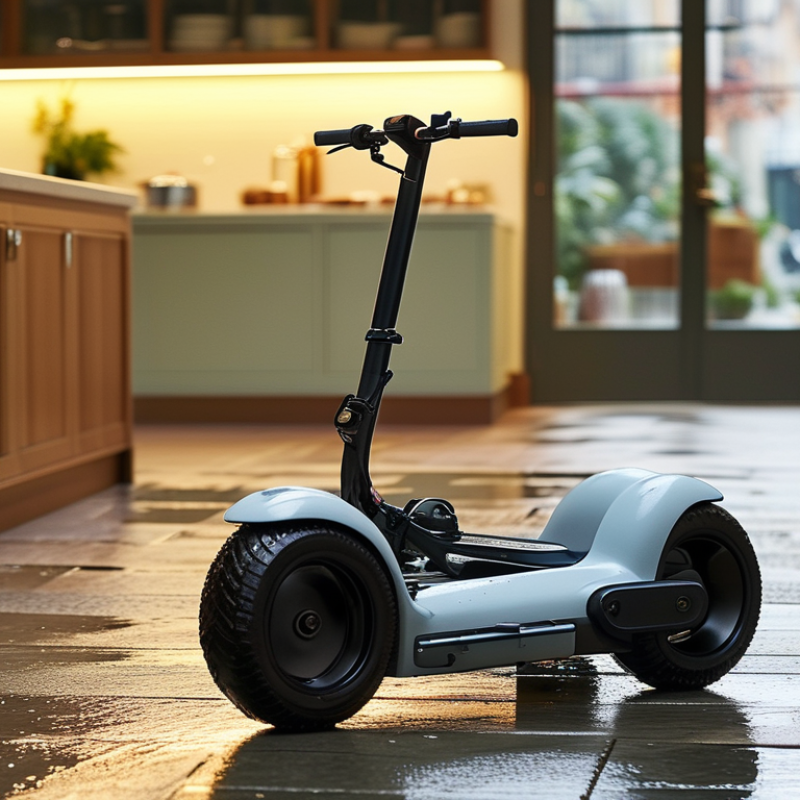
China Best Mobility Equipment for Indoor Outdoor Use?
Mobility equipment in China serves more than older adults. Users include people with temporary injuries, neurological conditions, limited strength, and lifelong disabilities. The World Health Organization estimates that 1.3 billion people worldwide experience significant disability. This figure represents about 16% of the global population, according to the WHO Global Report on Health Equity for Persons with Disabilities, 2022.
The category is broad. Indoor users may need walking frames, transfer aids, or compact wheelchairs for narrow rooms and uneven thresholds. Outdoor users often require powered mobility devices, manual wheelchairs, ramps, or walking supports with stronger tires. China’s National Bureau of Statistics reported 296.97 million residents aged 60 or above in 2023. That was 21.1% of the population. Still, age alone does not define equipment needs. A younger person recovering from surgery may need a lightweight aid, while an older user may need stable seating and safer braking. Real homes complicate the choice. Elevators can be small. Sidewalks may be crowded. Product descriptions sometimes ignore these details. That is a weakness worth questioning.
WHO’s Global Report on Assistive Technology, 2022, estimates that more than 2.5 billion people need at least one assistive product. Demand may exceed 3.5 billion by 2050. These figures include mobility aids, but not every user needs the same level of support. Assessment by a qualified therapist remains important, especially for posture, transfer safety, and daily travel distances. Practical testing often reveals problems that specifications miss.
Choosing mobility equipment for indoor and outdoor use starts with fit, not appearance. A 40–50 cm seat width covers many adult users, but it does not suit everyone. Measure hip width while wearing normal clothing, then allow practical clearance without creating lateral instability. A 45 cm seat may fit a hallway well but feel restrictive after two hours. Small details matter.
Turning radius deserves an actual floor test. ISO 7176-5 defines methods for measuring wheelchair dimensions and turning space. In a home, mark a circle with tape and test beside a sofa, kitchen counter, and bathroom doorway. A compact frame may turn neatly, yet footrests or rear wheels can strike walls. I have seen this missed during showroom trials. The specification looked excellent. The corridor disagreed.
Safety claims should reference recognized testing, not vague phrases like “all-terrain.” ISO 7176-1 evaluates static stability, while ISO 7176-3 addresses braking effectiveness. These tests support comparison, but they cannot reproduce every wet ramp, loose mat, or uneven threshold. The World Health Organization and UNICEF reported in their 2022 Global Report on Assistive Technology that more than 2.5 billion people need assistive products worldwide. Demand is growing, but fitting remains personal. A 50 cm seat is not automatically better. Sometimes, narrower is safer. Sometimes, it is simply uncomfortable. Test the equipment with the user, indoors and outdoors, before deciding.
| Equipment Profile | Typical Seat Width | Typical Turning Radius | Indoor Fit | Outdoor Capability | Relevant ISO 7176 Test Areas | Selection Considerations |
|---|---|---|---|---|---|---|
| Compact manual wheelchair | 40–46 cm | Approx. 0.75–0.95 m | Excellent for corridors, lifts, bathrooms, and smaller rooms when overall width is kept compact. | Suitable for paved paths and smooth outdoor surfaces; performance depends on wheel size, tyres, and user or attendant propulsion. | ISO 7176-5: dimensions and space for turning; ISO 7176-8: static, impact, and fatigue strength; ISO 7176-1: static stability. | Check the complete chair width, folded dimensions, rear-wheel position, footrest projection, and minimum doorway width. |
| Narrow powered wheelchair | 40–45 cm | Approx. 0.55–0.75 m | Very good for indoor maneuvering because powered steering can reduce the space needed for turns. | Best on firm, level surfaces; kerbs, wet ground, and loose gravel may be limiting factors. | ISO 7176-2: dynamic stability; ISO 7176-3: effectiveness of brakes; ISO 7176-5: dimensions and turning space; ISO 7176-14: power and control systems. | Confirm joystick position, armrest width, battery placement, charging access, and whether the stated turning figure is radius or diameter. |
| Indoor–outdoor powered wheelchair | 45–50 cm | Approx. 0.70–0.95 m | Good for most residential and commercial interiors if the total width is approximately 60–68 cm. | Suitable for paved walkways, moderate thresholds, and regular outdoor travel when fitted with appropriate tyres and suspension. | ISO 7176-1: static stability; ISO 7176-2: dynamic stability; ISO 7176-3: braking; ISO 7176-10: obstacle-climbing ability; ISO 7176-14: power and control systems. | Compare ground clearance, obstacle capability, slope rating, battery range, suspension, and the usable range under real operating conditions. |
| Compact four-wheel mobility scooter | 43–48 cm | Approx. 0.80–1.10 m | Generally suitable for wider corridors, shopping areas, lifts, and open-plan rooms; less suitable for tight bathrooms and narrow doorways. | Designed mainly for paved paths and short-distance outdoor travel; small solid tyres may provide less comfort on uneven ground. | ISO 7176-1: static stability; ISO 7176-2: dynamic stability; ISO 7176-3: braking; ISO 7176-5: dimensions and turning space; ISO 7176-14: power and control systems. | Four-wheel layouts usually provide good directional stability, but a three-wheel layout may offer a smaller turning circle where indoor maneuverability is the priority. |
| Three-wheel mobility scooter | 45–50 cm | Approx. 0.65–0.95 m | Very maneuverable in open indoor areas and retail environments, subject to the scooter’s overall length and tiller clearance. | Appropriate for level, paved surfaces; stability and traction require extra attention on slopes, rough ground, and side inclines. | ISO 7176-1: static stability; ISO 7176-2: dynamic stability; ISO 7176-3: braking; ISO 7176-5: dimensions and turning space; ISO 7176-14: power and control systems. | Evaluate stability on the intended terrain, the tiller turning envelope, threshold clearance, and whether the seat or tiller can be adjusted for the user. |
| Mid-size outdoor powered wheelchair | 45–50 cm | Approx. 0.85–1.20 m | Moderate indoor suitability; may require wider doorways, larger lifts, and more turning space than compact models. | Better suited to uneven pavements, ramps, longer distances, and moderate outdoor conditions when equipped with suitable suspension and tyres. | ISO 7176-1: static stability; ISO 7176-2: dynamic stability; ISO 7176-3: braking; ISO 7176-8: structural strength; ISO 7176-10: obstacle-climbing ability; ISO 7176-14: power and control systems. | Prioritize stability, drive-wheel configuration, suspension travel, battery capacity, weather protection, and safe loading or transport arrangements. |
| Measurement note: The figures above are typical category ranges rather than a specification for a particular product. Turning radius is not always measured using the same method; some specifications report turning diameter, wall-to-wall turning space, or inside turning radius. Always confirm the manufacturer’s measurement method, complete equipment width, and the applicable ISO 7176 test reports before purchasing. | ||||||
| Practical indoor benchmark: For homes and standard commercial interiors, a seat width of 40–50 cm does not equal total equipment width. Armrests, wheels, footrests, side guards, and tillers can add substantial width or turning clearance. Measure the narrowest doorway, corridor, lift entrance, and bathroom access point before selecting equipment. | ||||||
China Best Mobility Equipment for Indoor Outdoor Use?
Outdoor performance depends on more than a quoted travel range. Battery capacity, rider weight, temperature, tire pressure, and repeated hill climbing all change real distance. A device claiming 25 kilometers may deliver less on cold days or steep pavements. Numbers need context.
Gradeability should be tested with the intended load, not an empty chair. Check the maximum recommended slope, braking control, turning stability, and surface condition. Wet grass changes everything. A 10-degree incline can feel very different on loose gravel than on dry concrete. IP ratings also deserve careful reading. IP54 may resist dust and water splashes, but it does not mean safe immersion or heavy rain for hours. Protect charging ports and dry the equipment before charging.
EN 12184 provides structured requirements for powered wheelchairs and mobility devices, including stability, braking, obstacle handling, and electrical safety. It does not guarantee a specific outdoor range, waterproof performance, or access on every public path. Its limits depend on the device category and test configuration. Check the stated user mass and operating conditions. A higher rating is not automatically better indoors, where narrow doors and tight turns matter. In practical selection, compare test data with your route: a sloped driveway, a six-centimeter curb, and a damp park path. Some published figures remain optimistic. That is worth questioning.
China Best Mobility Equipment for Indoor Outdoor Use?
Safety compliance should guide every indoor and outdoor mobility purchase in China. The World Health Organization’s Global Report on Assistive Technology estimates that 2.5 billion people need assistive products worldwide. That figure may reach 3.5 billion by 2050. A suitable device therefore needs more than a strong motor and attractive range.
China-market equipment should meet applicable GB and GB/T requirements for wheelchairs, electrical safety, electromagnetic compatibility, and battery protection. The ISO 7176 series provides internationally recognized tests for stability, braking, durability, powered performance, and environmental resistance. Buyers should request current test reports, not only a printed compliance statement. Check braking on wet pavement. Test turning beside a narrow door. Small details reveal larger weaknesses.
Lithium batteries require extra attention. UN 38.3 testing supports safe transport, while air and road shipments may require specific packaging, labels, and documents. China’s transport rules can change by battery capacity and shipping method. Ask for the battery’s watt-hour rating and test evidence. Never rely on “long-distance” claims alone. In practice, compliance files are sometimes incomplete, even when the equipment feels well finished. That is uncomfortable, but worth admitting. A missing document can delay delivery, service, or inspection. WHO Global Report on Assistive Technology, 2022; ISO 7176 series; applicable China GB and GB/T standards.
Choosing mobility equipment from China requires more than comparing factory quotations. For indoor use, check turning radius, seat width, battery removal, and floor protection. Outdoor models need ground clearance, weather-resistant wiring, stable braking, and tested range. During supplier evaluations, I request a live product demonstration and a video of the same model on ramps and uneven pavement. Small details matter.
Pricing should include tooling, sample charges, packaging, spare batteries, shipping, duties, and inspection costs. A low unit price can become expensive after delivery. Ask for a written warranty covering the frame, motor, controller, battery, and charger separately. Battery coverage is often shorter. That should be stated clearly. Service quality also needs measurable terms, such as reply time, replacement-part availability, troubleshooting guidance, and technician support. One purchasing mistake I have seen is accepting “lifetime support” without defining response deadlines.
China’s 2023 trade data showed strong international activity across wheelchairs, mobility scooters, and related accessibility equipment. However, customs categories may combine different products, so headline export figures cannot prove supplier capability. Request recent export records, conformity documents, factory inspection reports, and serial-number traceability. Check whether the quoted specification matches the shipped unit. It sometimes does not. Independent pre-shipment testing is worth considering, especially for braking, battery performance, and load capacity. A transparent supplier should accept reasonable verification instead of relying on polished catalog images.
Users include older adults, people recovering from surgery, and people with lifelong disabilities. Temporary weakness can also change equipment needs. Age alone is not enough.
About 1.3 billion people experience significant disability worldwide. More than 2.5 billion people may need at least one assistive product. The estimate could exceed 3.5 billion by 2050. These figures describe broad needs, not identical products.
Walking frames, transfer aids, and compact wheelchairs often suit indoor spaces. Measure doorways, elevator interiors, and turning areas. Small thresholds matter. A wide device may fail in a narrow hallway.
Check ground clearance, tire strength, braking, weather-resistant wiring, and tested travel range. A sloped driveway can reveal weaknesses quickly. Wet grass is difficult. Crowded sidewalks also require stable steering and careful braking.
Not completely. Rider weight, temperature, tire pressure, hills, and battery condition affect real distance. A device claiming 25 kilometers may travel less on cold days. Test the equipment on your actual route when possible.
Test gradeability with the intended rider and load. Check braking on slopes, turning stability, and surface conditions. An IP54 rating may resist splashes, but it does not permit immersion. Dry charging ports before charging. Specifications can mislead.
It provides structured requirements for stability, braking, obstacle handling, and electrical safety. It does not guarantee outdoor range or access on every public path. A higher rating is not automatically better indoors. Door width and turning space still matter.
Request a live demonstration and videos on ramps or uneven pavement. Ask for written warranty coverage for the frame, motor, controller, battery, and charger. Confirm spare-part availability and response times. “Lifetime support” needs clear deadlines. I would not accept vague promises.
Calculate samples, tooling, packaging, spare batteries, shipping, duties, inspection, and testing. A low unit price may become expensive after delivery. Request conformity documents, inspection reports, and serial-number traceability. Check that the shipped specification matches the quotation. It sometimes does not.
China offers a wide range of mobility equipment for both indoor and outdoor use, serving older adults, people with disabilities, and users recovering from injury. With the global need for assistive products estimated at 1.3 billion people, buyers should compare wheelchairs, mobility scooters, walkers, and other devices according to comfort, stability, and intended environment. For indoor use, seat widths of approximately 40–50 cm, compact dimensions, and a small turning radius are important for navigating doors, corridors, and furniture. ISO 7176 testing can also help evaluate performance and safety.
Outdoor equipment should be assessed for travel range, climbing ability, water and dust protection ratings, and applicable EN 12184 limits. Buyers should also verify relevant China GB standards, ISO 7176 compliance, and lithium-battery transport and safety requirements. To understand how to select mobility equipment for indoor and outdoor use, compare supplier pricing, warranty coverage, replacement parts, technical support, after-sales service, and recent China trade data. A reliable supplier should provide clear specifications, inspection documents, and practical user guidance.

Merlix Chair