How can mobility solutions enhance quality of life? The answer begins with everyday independence, not technology alone. A well-fitted wheelchair, walking aid, scooter, or accessible vehicle can change a difficult morning. It may help someone reach a kitchen shelf, attend work, or visit a friend without asking for constant assistance. The right solution should match the person’s body, home, routines, culture, and goals. It must also be safe, affordable, maintainable, and comfortable.
Dr. Rory Cooper, a rehabilitation engineer, wheelchair researcher, and disability advocate, has said, “A wheelchair is not a medical device; it is a mobility device.” This perspective matters. Mobility equipment should support participation, confidence, and personal choice. Pressure-relieving cushions can reduce discomfort during long sitting. Smart navigation tools may improve outdoor confidence. Accessible transport can connect people with healthcare, education, employment, and community life. Small changes matter.
Yet, there is no universal answer. A solution that works indoors may fail on uneven pavement. A powerful scooter may become impractical without charging access. Professionals should assess posture, strength, vision, terrain, and daily activities before recommending equipment. Users should test products whenever possible and receive training after delivery. How to enhance quality of life with mobility solutions requires listening carefully, measuring real outcomes, and reviewing changing needs. Some expectations may be too optimistic. Devices can break, funding can be limited, and accessibility remains incomplete. Honest guidance should acknowledge these weaknesses while improving practical independence, dignity, and connection.
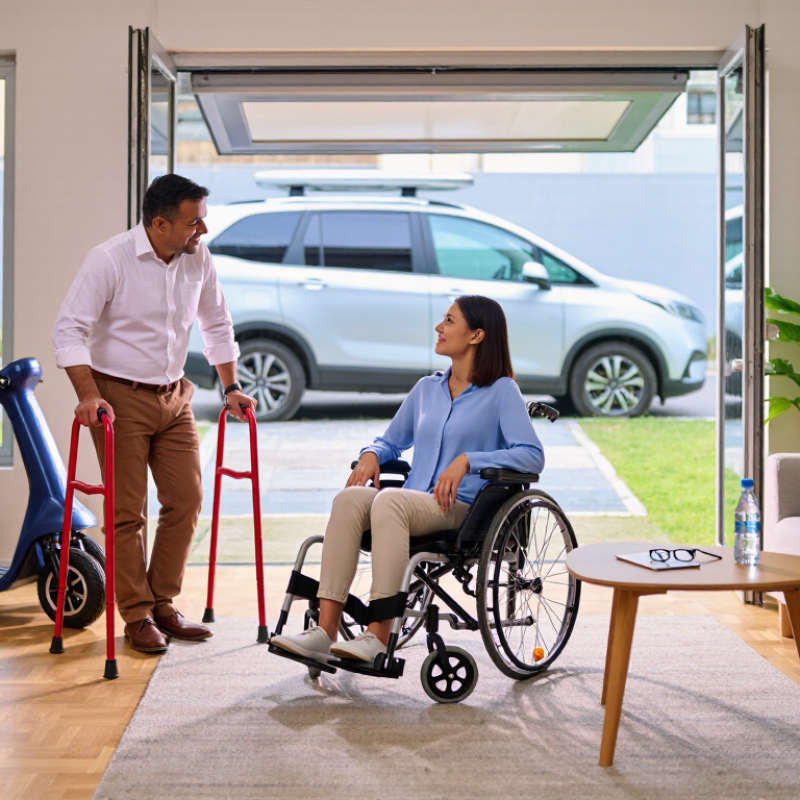
Mobility solutions are tools and services that help people move safely and participate in daily life. They include walking aids, wheelchairs, mobility scooters, transfer equipment, and home modifications. A cane may support balance on a short walk, while a rollator can provide a seat during longer outings. Wheelchairs offer seated mobility, but their comfort depends on correct size, posture support, and terrain. Mobility scooters can help with community travel when walking becomes tiring.
The right solution begins with an individual assessment. A physiotherapist or occupational therapist can examine strength, balance, vision, home layout, and daily routines. A narrow walker may work indoors but fail beside a crowded kitchen table. A wheelchair may fit a living room yet struggle on loose gravel. Transfer boards, grab rails, and adjustable beds can reduce strain during essential movements. These details matter more than appearance.
Quality also depends on training and maintenance. Users need practice with brakes, ramps, turning space, and uneven surfaces. Family members should learn safe assistance instead of pulling suddenly. No solution is perfect. A device can increase independence but also create new risks when poorly fitted. Measurements should be checked again after health changes. Even small issues, such as a loose wheel or uncomfortable handle, deserve attention. Practical feedback from the user remains essential.
Mobility solutions can make daily routines safer, calmer, and more manageable. A well-fitted walking aid may help someone reach the kitchen without holding furniture. A wheelchair can support longer outings without exhausting the user. Even a grab rail near the bathroom can restore confidence during a difficult transfer.
Fit matters greatly. An occupational therapist or physiotherapist can assess posture, strength, balance, and home layout. They may adjust handle height, check foot placement, and observe how the person turns. A device that feels helpful in a clinic may become awkward on a narrow hallway. Home trials often reveal these problems. Small details matter. Loose rugs, poor lighting, and steep thresholds can still limit independence.
Independence does not mean doing everything alone. It means having safer choices. A user might prepare breakfast while seated, then move independently to the table. Caregivers can offer support without taking over every task. However, mobility equipment is not a complete answer. It can require practice, maintenance, and regular reassessment. I have seen people choose a lighter device for convenience, then discover it offers less stability. That choice is understandable, but worth reviewing. Needs can change after illness, injury, or a simple loss of confidence. A practical plan should leave room for those changes.
Mobility solutions can support daily independence by addressing common activity limitations reported by adults.
What the data shows: Mobility and cognitive limitations are among the most frequently reported activity limitations. Appropriate mobility aids, home adaptations, and accessible transportation can help people move safely, complete personal-care tasks, and participate more independently in everyday life.
Source: U.S. Centers for Disease Control and Prevention, Behavioral Risk Factor Surveillance System disability estimates, 2022.
How Can Mobility Solutions Enhance Quality of Life?
The Role of Mobility in Physical and Mental Well-Being
Mobility affects more than walking from one room to another. It shapes how people exercise, work, socialize, and manage daily routines. A well-fitted walking aid can improve balance and reduce unnecessary strain on the knees or hips. Physiotherapists and occupational therapists can assess gait, strength, balance, and home hazards before recommending equipment. That process reduces guesswork. A ramp, transfer rail, or powered mobility device may prevent exhausting detours and unsafe lifting. Small changes matter.
Regular movement supports circulation, muscle strength, joint flexibility, and sleep quality. When people can reach the kitchen safely, they may prepare meals instead of relying on others. Even a short walk to the mailbox can create a sense of purpose. However, more equipment does not always mean better care. The first choice may be wrong. Adjustment is part of care. Users need clear training, proper fitting, and routine checks for brakes, batteries, wheels, and cushions.
Independence can also protect mental well-being. Being able to visit a neighbor or attend an appointment may reduce isolation and restore confidence. That relief matters. Yet mobility should not become another source of pressure. Some people feel embarrassed when using visible equipment, especially in crowded places. Patient education, respectful assistance, and accessible public spaces can ease that burden. Caregivers should ask before helping and respect personal choices. Good support leaves room for safety, dignity, and honest reassessment.
| Quality-of-Life Dimension | Measurable Indicator | Evidence-Informed Reference Point | How Mobility Solutions Can Help | Expected Well-Being Contribution |
|---|---|---|---|---|
| Physical activity | Weekly moderate-intensity activity | Adults are generally advised to complete at least 150 minutes of moderate-intensity activity per week, or 75 minutes of vigorous activity. | Walkers, canes, rollators, adapted bicycles, and accessible transport can make regular movement safer and more achievable. | Supports cardiovascular fitness, muscle function, independence, and long-term health. |
| Strength and balance | Strengthening and balance sessions per week | Adults are generally advised to perform muscle-strengthening activities on at least 2 days per week; balance-focused activity is particularly important for older adults. | Properly fitted mobility aids and supportive transfer equipment can enable safer standing, walking, and exercise practice. | May improve confidence, reduce activity avoidance, and help maintain functional ability. |
| Functional mobility | Timed Up and Go test | The test measures the time needed to stand from a chair, walk approximately 3 metres, turn, return, and sit. Longer times can indicate reduced mobility and increased fall risk. | Walkers, grab rails, stair supports, and home-access modifications can make everyday transfers and walking more secure. | Promotes safer self-care, household movement, and participation in daily routines. |
| Walking endurance | Six-Minute Walk Test distance | The test records the distance a person can walk in six minutes and is widely used to monitor functional exercise capacity. | Rollators, mobility scooters, and rest-support options can help people conserve energy and gradually increase community activity. | Helps users remain active for longer and supports access to work, education, services, and social activities. |
| Fall prevention | Falls and near-falls recorded over 30 days | Falls are a major cause of injury among older adults; risk is influenced by balance, strength, vision, medication, and environmental hazards. | Correct assessment, fitting, training, lighting, non-slip surfaces, and clear pathways can reduce avoidable hazards. | Improves perceived safety and may reduce fear-driven inactivity. |
| Mental well-being | Self-rated mood, stress, and confidence score from 0–10 | Regular physical activity is associated with better mental health, while reduced mobility can contribute to isolation, stress, and loss of confidence. | Reliable mobility support can increase autonomy, outdoor access, and control over daily choices. | May support confidence, reduce anxiety about movement, and improve overall life satisfaction. |
| Social participation | Number of community, family, or recreational activities per month | Social connection is an important contributor to health and quality of life; mobility limitations can make participation more difficult. | Accessible vehicles, ramps, public transport assistance, and portable mobility aids can improve travel flexibility. | Reduces participation barriers and helps maintain relationships and meaningful roles. |
| Independence | Activities of Daily Living completed independently | Common measures include bathing, dressing, toileting, transferring, eating, and moving around the home. | Wheelchairs, transfer boards, adjustable seating, and home adaptations can support task completion with less assistance. | Strengthens dignity, privacy, self-efficacy, and caregiver flexibility. |
| Overall quality of life | EQ-5D or similar health-related quality-of-life questionnaire | Standardized questionnaires commonly assess mobility, self-care, usual activities, pain or discomfort, and anxiety or depression. | A person-centred solution matched to functional needs can address several quality-of-life domains at the same time. | Provides a structured way to monitor whether improved mobility translates into meaningful daily-life benefits. |
Note: Outcomes vary by individual health status, environment, training, device fit, and consistent use. Mobility equipment should be selected and adjusted with guidance from an appropriately qualified healthcare or rehabilitation professional.
Accessible transport does more than move people from one address to another. It determines whether someone can attend a medical appointment, visit a friend, or accept a job. The World Health Organization estimates that 1.3 billion people experience significant disability worldwide. For many, a broken lift, narrow doorway, or missing audio announcement can turn a short journey into a serious barrier.
Small design choices matter. Low-floor vehicles reduce boarding time and physical strain. Clear route information helps passengers with cognitive or sensory disabilities travel more independently. Benches near stops can support older adults who cannot stand for long periods. The International Transport Forum reports that urban passenger transport demand will continue rising, increasing pressure on cities to make mobility safer and more inclusive. Reliable connections also create repeated social contact, especially for people living alone.
The benefits are practical, but they are not always measured well. A transport survey may record punctuality while ignoring missed birthdays, cancelled therapy visits, or the anxiety of an uncertain transfer. The United Nations Disability and Development Report 2024 highlights continuing gaps in access to transport and public services for persons with disabilities. Better evaluation should include lived experience, not only passenger numbers. Ask the passenger.
Accessibility can still fail in quiet ways. A ramp may exist, but staff training may be poor. A route may be technically available, but too expensive for regular use. Cities need consistent standards, maintenance, and feedback channels that lead to visible changes. Social participation grows when people can travel with dignity, confidence, and fewer apologies.
How Can Mobility Solutions Enhance Quality of Life?
Factors for Choosing Suitable Mobility Solutions
A suitable mobility solution should match daily routines, physical ability, and living spaces. Start with the user’s real needs, not attractive features. Measure doorways, hallway turns, vehicle access, and storage areas before choosing equipment. A device that works outdoors may feel awkward inside a small apartment. Comfort matters too. Check seat support, handle height, turning control, and battery or charging requirements. A healthcare professional or qualified mobility adviser can assess posture, balance, strength, and fall risks. Their guidance adds reliability, especially when needs change over time.
Tips: Test the solution on ramps, uneven paths, and tight corners. Ask about maintenance, repair access, user training, and warranty terms. Include the main user in every trial. Their confidence matters. Family opinions can help, but they should not replace the user’s experience. A common mistake is choosing the most powerful option. More power can mean extra weight, difficult storage, and higher transport demands. Simpler may work better.
Safety should remain practical, not theoretical. Confirm braking performance, stability, visibility, and safe charging arrangements. Review local access rules where relevant. Try the solution at different times of day, including crowded or poorly lit areas. Needs may also evolve after illness, injury, or reduced strength. Reassess the choice regularly. The perfect option rarely exists, and a first decision may need adjustment. That is not failure; it is responsible planning.
A suitable aid can help someone reach the kitchen without holding furniture. It can make routines safer. Independence does not mean doing everything alone.
Correct fitting supports posture, balance, and safer movement. A professional may adjust handle height and check foot placement. Small changes matter.
Yes. A clinic trial may not reveal narrow hallways or steep thresholds. Test the device near doorways, rugs, and bathroom areas. Home details can surprise you.
Loose rugs, dim lighting, and raised thresholds may create problems. A tight hallway can make turning difficult. Clear paths help.
Safer movement may support circulation, muscle strength, flexibility, and sleep. A short walk to the mailbox can provide useful activity. Small movement counts.
Reaching a neighbor or attending an appointment may reduce isolation. Visible equipment can still cause embarrassment in crowded places. Confidence may return slowly.
Measure doorways, hallway turns, vehicle access, and storage space. Check comfort, braking, stability, charging, and maintenance needs. More power is not always better.
Caregivers should ask before helping and respect the user’s choices. They can assist without taking over every task. Safety and dignity must share the room.
Not necessarily. A lighter device may feel convenient but offer less stability. I might choose convenience too quickly. Regular reassessment is sensible.
Review them after illness, injury, reduced strength, or lost confidence. Check brakes, wheels, batteries, and cushions regularly. Needs can change.
Mobility solutions include walking aids, wheelchairs, scooters, adapted vehicles, and accessible transport services designed to help people move safely and confidently. By matching the right solution to an individual’s physical needs, home environment, and daily routines, users can complete personal tasks, travel to essential destinations, and maintain greater independence. Learning how to enhance quality of life with mobility solutions begins with understanding comfort, ease of use, safety, and reliable support.
Improved mobility also benefits physical and mental well-being by encouraging appropriate activity, reducing isolation, and increasing confidence. Accessible transportation makes it easier to visit family, attend work or education, participate in community activities, and enjoy social experiences. When choosing a suitable option, people should consider mobility level, terrain, storage, portability, maintenance, budget, and access to professional guidance. A practical, personalized solution can promote autonomy, meaningful connections, and a more active, fulfilling lifestyle.

Merlix Chair