Aging presents unique challenges, especially concerning physical mobility. Older adults often face risks during daily movements. It is essential to learn how to improve safety in daily movement for seniors. Dr. Susan Anderson, a gerontologist, emphasizes, “Safe movement is not just about the environment; it's about building confidence.” Understanding the nuances of this topic can significantly enhance senior safety.
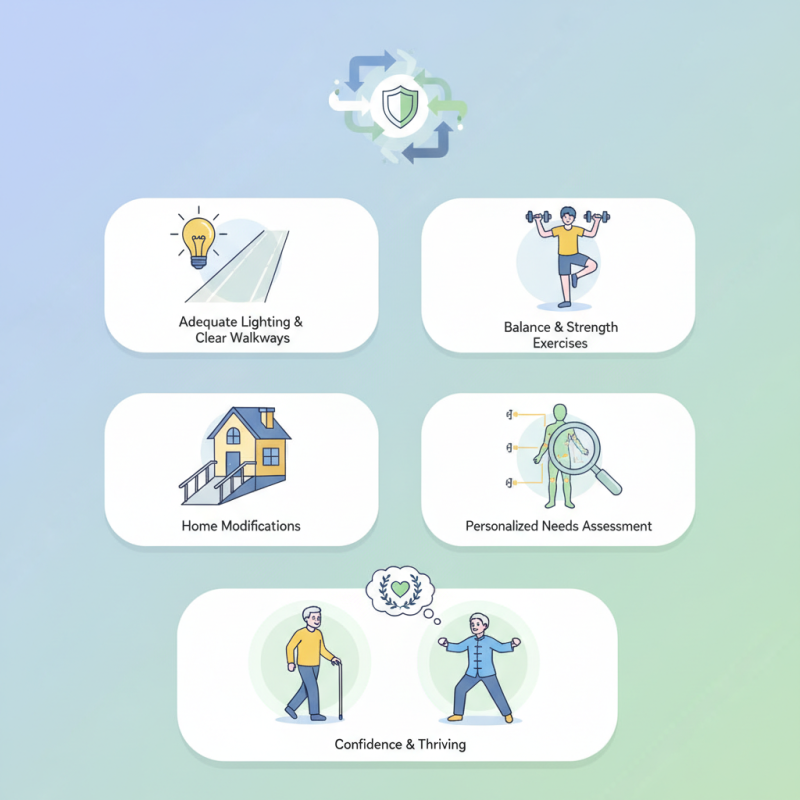
Many factors contribute to safe movement. Poor lighting, cluttered spaces, and uneven surfaces can elevate risks. Implementing simple changes can yield profound benefits. For instance, ensuring clear walkways and adequate lighting can prevent falls. Regular exercise focused on balance and strength can also empower seniors. Each senior’s unique needs should influence their safety regimen.
Improving safety for seniors requires a holistic approach. It is a continuous journey. Not all strategies work for everyone, and adjustments may be necessary. Awareness of the specific challenges faced can lead to personalized solutions. Ultimately, it hopes to create an environment where seniors not only move but thrive with self-assurance.
Seniors often face unique mobility challenges, increasing the risk of falls and injuries. According to the Centers for Disease Control and Prevention (CDC), one in four older adults experiences a fall each year. This statistic highlights the critical need to assess mobility challenges thoroughly.
Common mobility issues include decreased strength, impaired balance, and health conditions like arthritis. These factors can severely limit daily movement. A study published in the Journal of Aging and Physical Activity revealed that seniors with poor balance are three times more likely to fall. Engaging in balance training can mitigate this risk significantly. Simple exercises, such as leg lifts or walking heel-to-toe, can enhance stability and confidence.
Environmental factors also contribute to mobility challenges. Poor lighting, loose rugs, and clutter can create obstacles that lead to falls. The World Health Organization emphasizes the importance of a safe living environment. Ensuring clear pathways and proper lighting can reduce risks. Implementing these changes often requires careful reflection and ongoing adjustments. Creating a safer home involves a commitment to recognizing and addressing these challenges consistently.
Creating a safe home environment is essential for seniors to enhance daily movement safety. According to the CDC, falls are the leading cause of injury among older adults. A well-structured home can minimize these risks significantly. Simple modifications can yield substantial benefits. Consider removing loose rugs and clutter from walkways. This clears the path and decreases the chances of tripping.
Lighting plays a crucial role in safety. Ensure that hallways and staircases are well-lit. Installing motion-sensor lights can facilitate safe navigation at night. Grab bars in bathrooms can also offer support where it's needed most. A study by the National Council on Aging found that homes equipped with safety features reduced fall-related injuries by 50%.
Tips: Regularly evaluate your living space. Check for potential hazards, even minor ones. Involve family members in safety assessments. Sometimes we overlook threats within our environments. Engaging loved ones can help identify and address these issues. Don't hesitate to seek professional advice for necessary adjustments. Prioritizing safety can lead to more confident and independent living.
Incorporating strength and balance exercises can significantly improve movement safety for seniors. Strength training helps build muscle mass, which naturally declines with age. Simple exercises like chair squats or wall push-ups can boost stability. Regular practice aids in everyday activities and enhances confidence while moving.
Balance is equally crucial. It prevents falls, a common risk for older adults. Incorporating activities like tai chi or standing on one leg can be effective. Even short sessions, around 10 minutes daily, can yield noticeable benefits.
It's essential to consult with a healthcare professional before starting any new exercise routine. They can provide personalized recommendations. Safety must come first. Consider starting with low-impact movements and gradually increasing difficulty. Reflect on any discomfort during exercises; listen to your body to avoid injury.
Implementing assistive devices is crucial for enhancing mobility safety in seniors. Nearly 36 million falls occur among older adults annually in the U.S. These incidents often lead to severe injuries, including fractures and head trauma. Utilizing assistive devices can significantly reduce these risks. For instance, walkers and canes provide stability. They help seniors maintain balance, easing anxiety about falling.
Research shows that using proper assistive devices can decrease fall-related injuries by 50%. Many seniors hesitate to adopt these aids due to concerns about stigma. This perception can worsen their overall mobility. Ensuring that devices are user-friendly and aesthetically pleasing can help change these attitudes. Furthermore, personalized assessments can enhance device selection, creating a tailored approach to individual needs.
Despite the clear benefits, challenges remain. Many seniors may struggle with using new technology. They often require training to gain confidence. Family support plays a vital role here. Encouragement and guidance from loved ones can foster a positive attitude toward using assistive devices. Regular follow-ups are also essential to ensure ongoing efficacy and comfort.
This chart illustrates the percentage of seniors engaging in various safety improvement measures to enhance daily movement and overall safety. The data indicates a high engagement level in assistive walking devices and regular exercise, crucial for promoting mobility safety among seniors.
Educating family members and caregivers is vital for enhancing the safety of seniors during daily activities. They play a crucial role in creating a secure environment. Start with basic safety training. Teach them to recognize hazards in the home. This includes loose rugs, poor lighting, and cluttered walkways. Encourage a habit of daily checks to keep the living space safe.
Communication is key. Family caregivers should discuss concerns openly with seniors. This can help them understand the specific needs of elderly individuals. Regular meetings can foster a culture of safety. Encourage caregivers to share experiences and tips. For instance, suggest they document any falls or near misses. This type of record can guide future safety measures.
Awareness of the physical limitations of seniors is essential. Use simple language and concrete examples. Highlight common issues like balance problems and slow reaction times. This knowledge can prompt caregivers to adapt activities accordingly. Perhaps suggest gentle exercise programs tailored for seniors.
Implementing these strategies might not always go smoothly. Mistakes can happen. A caregiver might overlook a potential hazard. These moments require reflection. They can ultimately lead to improved safety practices. Encouraging a culture of learning from errors can make a significant difference in the long run.
: A safe home reduces the risk of falls, which are the leading cause of injury for older adults.
Remove loose rugs and clutter. Improve lighting in hallways and staircases.
Good lighting helps seniors navigate safely, especially at night. Motion-sensor lights can be very helpful.
Assistive devices like walkers and canes provide stability and can reduce fall risks significantly.
Some may worry about stigma or feel uncomfortable with new technology. This can prevent them from using helpful aids.
Encouragement from family can boost confidence and lead to a positive attitude toward using these devices.
Caregivers must educate themselves about hazards and communicate openly about safety needs with the seniors they help.
Keeping a record helps identify patterns and guides adjustments to enhance future safety measures.
Mistakes can happen, such as overlooking hazards. These require reflection and adjustments to improve safety.
They can use simple language and concrete examples when discussing abilities and suggest gentle exercise programs.
To improve safety in daily movement for seniors, it is essential to assess mobility challenges that may hinder their independence. Understanding specific limitations allows caregivers and family members to tailor support accordingly. Creating a safe home environment is also crucial; this includes removing hazards and ensuring adequate lighting in commonly used areas.
Incorporating strength and balance exercises can significantly enhance stability and reduce the risk of falls. Additionally, implementing assistive devices, such as grab bars and mobility aids, provides extra support for seniors. Educating family members and caregivers about safety practices is vital, as it fosters a collaborative approach to maintaining a secure environment for older adults. These steps combined can greatly contribute to how to improve safety in daily movement for seniors, promoting their well-being and confidence.

Merlix Chair