Seniors face unique challenges in daily movement. According to the CDC, over 36 million seniors fall each year, leading to significant injuries. This statistic highlights the urgent need to address safety in their daily activities. Understanding how to improve safety in daily movement for seniors can significantly reduce these risks.
The importance of safety is underscored by a 2020 report from the National Council on Aging. It revealed that falls are the leading cause of fatal and non-fatal injuries among older adults. Incorporating balance exercises and proper mobility aids can help mitigate these risks. Simple changes in the home, like removing tripping hazards and improving lighting, also play a critical role in enhancing safety.
Yet, there is still much work to be done. Many seniors are unaware of the necessary measures they can take. Compliance with safety recommendations can be inconsistent. They need guidance tailored to their abilities and circumstances. Improving safety in daily movements is not just beneficial but essential for their independence and quality of life.
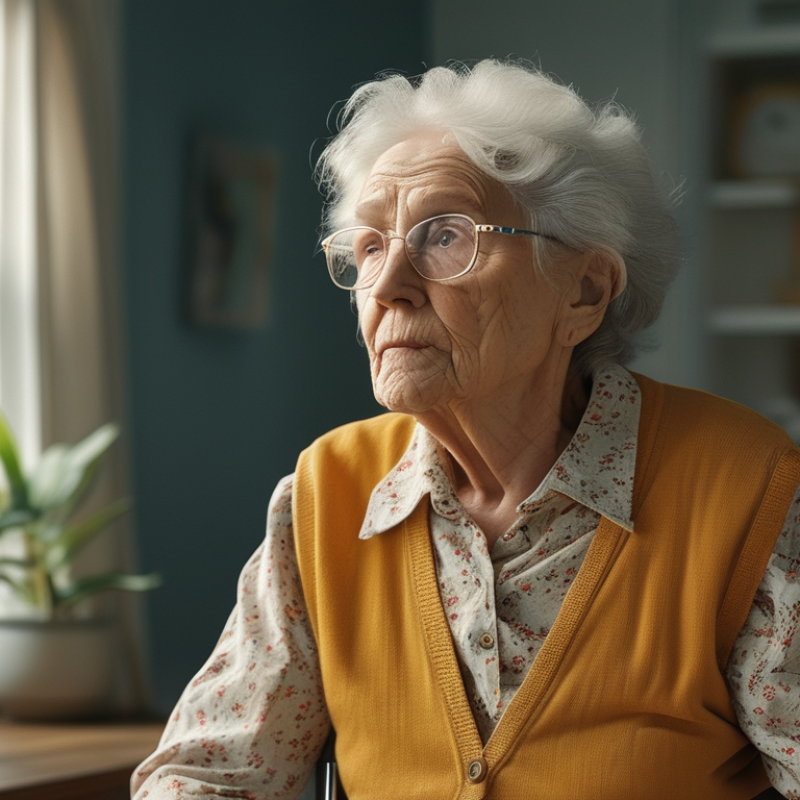
Safety in daily movement is crucial for seniors. As mobility decreases with age, the risk of falls increases. Simple activities like walking or getting in and out of a chair can become hazardous. Seniors often face physical challenges that make these tasks daunting. Therefore, enhancing safety measures in their environment can significantly reduce the risk of injury.
Creating a safer space begins with awareness. Removing clutter and ensuring good lighting can prevent trips and falls. Installing grab bars in bathrooms or using non-slip mats can also help. These small adjustments lead to significant benefits. When seniors feel secure while moving, they gain confidence. This empowerment encourages them to remain active, which is vital for maintaining health and well-being.
Many seniors are reluctant to ask for help, fearing it shows weakness. This mindset can hinder their safety. Encouraging open conversations about movement and safety issues is necessary. Seniors need to feel supported in expressing their challenges. By fostering this dialog, caregivers and family can create a collaborative environment that prioritizes safety and enhances mobility.
Poor mobility in seniors poses significant risks that can greatly affect their quality of life. A senior with limited movement may face challenges like falls, which are one of the leading causes of injury. These falls can lead to severe fractures or even death. An environment not tailored for mobility can exacerbate these hazards. Hazardous flooring, inadequate lighting, or absence of handrails can make even a simple walk dangerous.
Another common risk relates to isolation. Seniors with poor movement abilities may find it hard to engage in social activities. This isolation can lead to feelings of loneliness. In turn, those feelings can worsen mental health issues like depression or anxiety. Engaging in regular physical activity, even at a gentle pace, can help combat this decline. Simple home exercises or community programs can encourage better movement and connection.
Finally, nutrition is often overlooked. Seniors with limited mobility may have trouble preparing healthy meals. Poor nutrition can weaken bones and muscles, worsening their ability to move. Encouraging family and friends to assist with meal planning is essential. Meals rich in calcium and vitamins can support better mobility and strength. Making these small changes could prevent larger issues down the road.
This bar chart illustrates the common risks associated with poor mobility in seniors, highlighting the importance of improving safety in daily movements.
Enhancing safety practices for elderly individuals can significantly improve their quality of life. When seniors feel secure in their daily movements, they gain confidence. This confidence can lead to increased independence and social interaction. Avoiding accidents is crucial for maintaining both physical and mental well-being.
Simple modifications can make a big difference. Clear pathways in the home can help prevent trips and falls. Good lighting in hallways and stairs is essential. It’s also important to encourage the use of supportive footwear. Many seniors underestimate how much these small changes can enhance their safety.
Encouraging regular exercise can also be beneficial. Simple activities like stretching and walking can strengthen muscles and improve balance. Consider suggesting community classes tailored for seniors. While changes may take time, the effort is worth it in the long run. Tracking progress can motivate them further. Safety isn't just about prevention; it’s also about empowering seniors to live life fully.
| Safety Practice | Benefit | Impact on Daily Life |
|---|---|---|
| Regular Exercise | Improves strength and balance | Enhances mobility and independence |
| Home Modifications | Reduces fall risks | Creates a safer living environment |
| Vision Checks | Ensures proper eyesight | Promotes safer navigation |
| Medication Review | Avoids dangerous interactions | Contributes to overall health |
| Community Engagement | Boosts mental health | Enhances quality of life |
As seniors engage in daily activities, enhancing safety becomes vital. Simple adjustments can significantly reduce risks. Encouraging the use of non-slip mats in the kitchen or bathroom can prevent falls. Encouraging seniors to wear supportive footwear at home provides better balance.
Incorporating regular exercise improves strength and flexibility. Activities like yoga or tai chi can aid in coordination. These exercises need to be tailored for individual capabilities. Community centers often offer classes specifically for seniors, ensuring a safe environment. Keeping pathways clear of clutter is another crucial step. This can include removing loose rugs or unnecessary furniture.
Regular check-ins with healthcare professionals help identify areas needing improvement. It’s important to reflect on any past accidents. Such experiences can guide safer choices in mobility. Additionally, technology like fall detectors can be introduced, although some may find them intrusive. All these strategies arm seniors with the tools they need for safer daily living.
In today’s aging society, enhancing safety during daily movement for seniors is crucial. Community support plays a significant role in this process. When seniors engage in activities like walking or exercising in groups, they not only boost their physical health but also build social connections. According to the Centers for Disease Control and Prevention (CDC), seniors who participate in community exercise programs reduce their fall risk by 30%.
Local initiatives can foster environments where seniors feel empowered and safe. Regular community exercise classes, for example, encourage participation and help seniors gain confidence in their mobility. A report from the National Council on Aging highlights that 60% of seniors find motivation to move more when they are part of a group. This collective effort can significantly enhance their overall well-being.
However, not every community offers sufficient resources to support these activities. Some seniors may face barriers like transportation issues or limited access to safe spaces. These challenges can hinder their progress. Addressing these gaps requires collaboration among community leaders and health organizations to create more inclusive programs. Each effort counts in ensuring that seniors can move safely and confidently within their neighborhoods.
: Safety is vital to prevent falls as seniors have decreased mobility. Simple tasks can become risky.
Seniors can remove clutter and improve lighting. Installing grab bars can also enhance safety.
When seniors feel secure, their confidence grows. Safe environments encourage them to be more active.
Many seniors believe asking for help indicates weakness. This mindset can negatively impact their safety.
Regular check-ins help identify safety improvements. Reflecting on past accidents can guide better choices.
Regular exercise increases strength and flexibility. Activities like yoga improve coordination and balance among seniors.
Non-slip mats are helpful in kitchens and bathrooms. Fall detectors can enhance safety, though some may find them intrusive.
Keeping pathways clear by removing loose rugs or old furniture is crucial. This reduces trip hazards significantly.
Tailored activities like tai chi or gentle yoga are recommended. They focus on improving balance and coordination.
Encouraging discussions about challenges can create a supportive environment. Communication is essential for enhancing mobility.
Improving safety in daily movement for seniors is crucial as it directly impacts their independence and quality of life. With aging, seniors often face common risks associated with poor mobility, including falls and injuries that can hinder their ability to engage in everyday activities. By implementing enhanced safety practices, seniors can benefit from greater physical confidence and reduced risk of accidents.
To effectively address this issue, it is essential for caregivers and families to understand how to improve safety in daily movement for seniors. Strategies may include creating a safe home environment, encouraging regular physical activity, and utilizing supportive devices. Additionally, community support plays a vital role in promoting senior safety through movement by providing resources, programs, and social engagement opportunities, ultimately fostering a safer and more active lifestyle for the elderly population.

Merlix Chair