Top 10 Tips for Using Mobility Aids Safely at Home

Time:2026-08-14 Author:Oliver
0%

Navigating daily life with mobility aids can be challenging. Knowing how to use mobility aids safely at home is essential for enhancing independence and preventing falls. These devices, such as walkers and canes, offer support but require proper technique to ensure safety.

Many individuals may overlook key safety tips. For example, using a mobility aid without understanding its height adjustments can lead to misalignment and discomfort. It's crucial to assess your living space regularly. Are rugs a tripping hazard? Is there adequate lighting? Small changes can significantly impact your safety.

Additionally, regular maintenance of mobility aids can't be ignored. Worn-out wheels or loose grips may pose serious risks. Users often underestimate the importance of comfort and fit. Finding the right level of support can prevent injuries and improve mobility. Remember, a proactive approach is vital for ensuring safety at home.
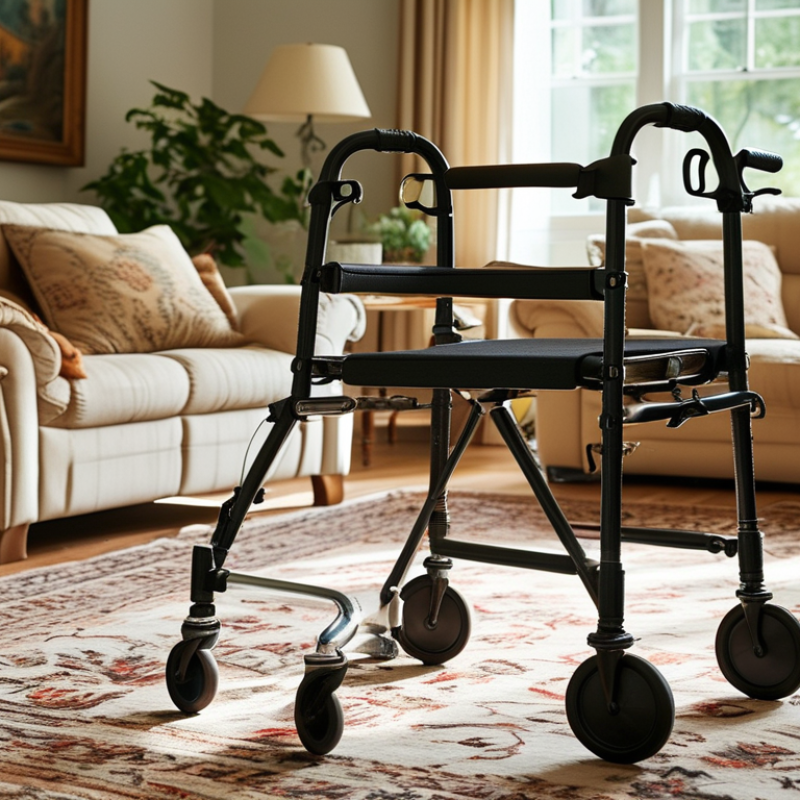
Top 10 Tips for Using Mobility Aids Safely at Home

Understanding Different Types of Mobility Aids for Home Use

Mobility aids are essential for many people, ensuring safety at home. Understanding the different types can help you choose wisely. Common aids include walkers, canes, and wheelchairs. Each has unique benefits. Walkers provide support with stability. Canes are lighter, offering balance during walking. Wheelchairs assist those needing more comprehensive mobility.

When using these aids, awareness is key. Regularly check for wear and tear. Tattered grips on canes can slip. Wheels on walkers may get stuck, affecting mobility. It’s crucial to ensure a clear path at home. Clutter can lead to trips and falls, even with aids.

Consider your specific needs. Some may require additional support like raised toilet seats or grab bars. These features can enhance safety and independence. Always consult healthcare professionals for personalized advice. Reflect on your comfort with each aid. Find what works best through trial and error. Being proactive ensures your home remains a safe haven.

Top 10 Tips for Using Mobility Aids Safely at Home

Assessing Your Home Environment for Safe Mobility Aid Use

Creating a safe environment for mobility aid use is crucial. Reports indicate that nearly 43% of falls occur in the home. Simple adjustments can significantly reduce these risks. Ensure that walkways are clear. Remove any obstacles, such as loose rugs or clutter that can trip users.

Lighting is also essential. Poorly lit areas contribute to accidents. Utilize bright bulbs and consider night lights. Focus on stairways and hallways. Research shows that adequate lighting can decrease fall risk by 30%. Furthermore, evaluate the stability of furniture. Heavy items should not be relied upon for support.

Consider installing grab bars in key areas, like bathrooms. They provide essential support and make transitions safer. Reflect on personal mobility needs when assessing the environment. Sometimes, previous setups may not support current abilities. Adjustments may seem small but can enhance safety immensely. Every user should be encouraged to reflect on their situation to find areas for improvement.

Best Practices for Properly Using Mobility Aids to Prevent Injuries

Using mobility aids properly at home is essential for safety. The World Health Organization reports that around 1 in 7 people worldwide require assistive devices. However, many users do not receive adequate training. This can lead to unnecessary injuries.

Firstly, ensure mobility aids are adjusted correctly. A walker that’s too high or low can cause instability. Research shows improper height leads to a 35% increase in falls. Regular checks for wear and tear are vital. Safety features like brakes and grip stability should be tested frequently.

Additionally, always keep walkways clear. Clutter contributes to 30% of home accidents. It's important to maintain good lighting. Poor visibility can result in wrong steps and falls. Using a non-slip mat can also reduce risks in commonly used areas. Prioritizing these best practices helps prevent injuries and enhances daily mobility.

Top 10 Tips for Using Mobility Aids Safely at Home

Tip Number Tip Description
1 Choose the Right Aid Select a mobility aid suited to your specific needs and abilities.
2 Check Equipment Regularly Inspect your mobility aids for wear and tear before each use.
3 Clear Your Path Keep walkways free of clutter to ensure safe navigation.
4 Use Non-Slip Mats Place non-slip mats in areas where mobility aids are used.
5 Wear Suitable Footwear Choose shoes that provide stability and support while using mobility aids.
6 Learn Proper Techniques Understand and practice the correct way to use your mobility aid.
7 Adjust to Your Needs Ensure the mobility aid is adjusted to fit your height and weight.
8 Stay Hydrated Drink enough water to maintain energy and focus while using aids.
9 Seek Assistance When Needed Don’t hesitate to ask for help if unsure about using your mobility aid.
10 Stay Within Your Limits Avoid overexerting yourself to reduce the risk of falls and injuries.

Tips for Regular Maintenance and Inspection of Mobility Aids

Regular maintenance and inspection of mobility aids are crucial for safety at home. Inspecting your aid every month can prevent accidents. Start by checking the wheels. Make sure they roll smoothly. Look for any signs of wear or damage. Tighten any loose screws. A small adjustment today can make a big difference tomorrow.

Also, assess the overall condition of your mobility aid. Are there any cracks or rust on the frame? A broken part can compromise safety. Keep the aid clean and free of clutter. Dirt and grime can affect functionality. Take note of any unusual sounds during use. This might indicate a problem that needs attention.

Reflect on your habits too. Are you using the aid correctly? Proper usage extends its lifespan. Sometimes, people forget to follow best practices. This can lead to unnecessary wear. Mistakes happen. It's essential to be mindful and attentive. Keeping your mobility aids in top shape ensures your safety and independence at home.

Training and Support Resources for Safe Mobility Aid Usage

When using mobility aids at home, proper training and support resources are essential. The National Institute on Aging reports that nearly 35% of older adults fall each year. Many incidents occur due to the improper use of walkers or canes. Understanding how to navigate your home with these aids can significantly reduce the risk of falls.

Engaging in local workshops can provide hands-on experience with mobility aids. These sessions often teach techniques to improve balance and coordination. It can be beneficial to practice in a familiar environment, as comfort increases confidence. Always consult healthcare professionals for personalized advice. They can recommend specific resources suited to individual needs.

Remember to keep walkways clear and free of obstacles. Poor home design can lead to accidents. Regular checks on your mobility aid for damages are necessary; wear and tear can affect performance. Additionally, consider reaching out to support groups. They can offer valuable insights and shared experiences, making the journey safer and less isolating.

FAQS

: Why is assessing the home environment important for mobility aids?

: A safe environment reduces fall risks. Nearly 43% of falls happen at home.

What can I do to clear walkways?

Remove loose rugs and clutter. Ensure that the path is obstacle-free.

How can lighting affect safety?

Poor lighting increases accidents. Bright lights and night lights improve visibility.

Where should grab bars be installed?

Key areas like bathrooms require grab bars for added support and safety.

How often should I inspect my mobility aid?

Inspect your aid monthly. Regular checks prevent accidents.

What should I check on my mobility aid?

Look at the wheels for smooth movement and check for wear or damage.

How can I ensure proper usage of my mobility aid?

Follow best practices. Improper use can lead to unnecessary wear and accidents.

What signs indicate my mobility aid needs attention?

Cracks, rust, or unusual sounds can signal that repairs are needed.

What role does regular maintenance play in safety?

Consistent upkeep extends the aid’s lifespan and ensures user safety.

How can I reflect on my mobility needs?

Consider your current abilities. Adjustments may enhance safety significantly.

Conclusion

In the quest to understand how to use mobility aids safely at home, it is crucial to start by recognizing the different types of mobility aids available for home use. Each aid serves a specific purpose and can greatly enhance independence if used correctly. The next step involves assessing your home environment to identify potential hazards and ensuring that your living space is conducive to safe mobility aid usage. Proper use of these aids is vital to prevent injuries, and adopting best practices can significantly reduce the risk of falls or accidents.

Regular maintenance and inspection of mobility aids cannot be overlooked; ensuring that they are in good working condition is essential for safety. Additionally, seeking training and support resources can provide invaluable guidance on using mobility aids effectively. By following these tips, individuals can enhance their confidence and safety while navigating their home environment with mobility aids, ensuring a higher quality of life.

Oliver

Oliver

Oliver is a seasoned marketing professional with a wealth of expertise in driving brand awareness and engagement. With a deep understanding of our company's product offerings, he consistently delivers high-quality content that enriches our professional blog. His insights not only shed light on......