Maintaining mobility devices for long term use requires careful attention and planning. These devices, such as wheelchairs and scooters, are more than just tools; they are vital for independence. Regular maintenance can prolong their life and ensure they function safely. However, many overlook the importance of this upkeep.
To truly understand how to maintain mobility devices for long term use, one must consider various factors. Different devices have unique requirements. For instance, checking tire pressure and battery health can make a big difference. Many users often forget the importance of regular inspections, which can prevent major issues. Neglecting these details may lead to unexpected repairs and costly replacements.
In the quest for longevity, consider not just repairs, but also routine cleaning. A simple wipe down could prevent buildup that affects function. Each aspect contributes to the overall performance. The journey of maintaining mobility devices is ongoing, and it requires vigilance. Keeping these points in mind can make mobility devices last significantly longer.
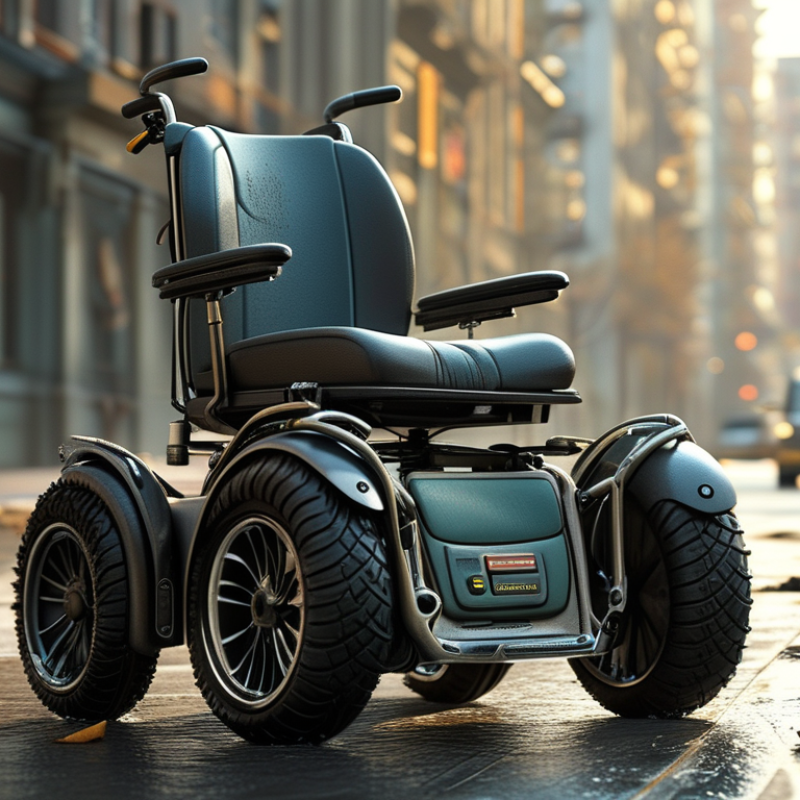
Regular maintenance of mobility devices is crucial for ensuring safety and optimal performance. Over time, wear and tear can compromise functionality. This is particularly true for devices like wheelchairs and walkers, which face daily use. Keeping up with maintenance helps to prevent unexpected breakdowns. It also extends the lifespan of the equipment, making it a worthwhile investment.
One effective strategy is to conduct routine checks on all moving parts. Lubricating wheels and joints can reduce friction. A thorough inspection helps in identifying potential issues before they escalate. Another key practice is to keep the device clean. Dirt and grime can cause malfunctions over time. Regular cleaning not only enhances appearance but also ensures reliability.
If you notice any unusual sounds or feel changes in performance, address them immediately. Small problems can quickly turn into bigger ones. Regular professional inspections can be beneficial, too. Experts can spot hidden issues that might not be obvious. This proactive approach can save time and money in the long run. Ignoring maintenance can lead to frustration and wasted resources. Prioritizing care for mobility devices ensures they remain dependable companions in daily life.
Daily cleaning routines play a vital role in maintaining mobility devices. Keeping your device free from dirt and grime can enhance its lifespan and functionality. A simple routine can go a long way. Start by using a soft cloth to wipe down surfaces daily. Pay special attention to wheels, handles, and any areas that come into contact with hands. Remember, moisture can be harmful. Use a slightly damp cloth, not wet.
Regularly check for loose screws or parts. As devices age, components may become loose. This can lead to malfunctions during use. Tightening screws improves safety. It's also essential to inspect brakes and moving parts. Apply lubricant as needed, but avoid overdoing it. Excess lubricant can attract dust.
Incorporate these simple tasks into your daily life. Make cleaning a habit, like brushing your teeth. This consistency can lead to a more reliable experience. Yet, it's important to reflect on your routines. Are you thorough, or is something getting overlooked? Over time, even small neglect can lead to bigger problems. Stay vigilant and proactive in maintaining your mobility device.
Routine inspections are essential for maintaining mobility devices. Regular checks help identify wear and tear before they lead to major issues. Begin with a visual examination. Look for any visible signs of damage, such as cracks or rust. Don’t overlook smaller components; screws and bolts can loosen over time. Pay attention to the wheels and tires. Inspect for uneven wear, which could indicate alignment problems.
Conducting a functional test is crucial too. Make sure all moving parts operate smoothly. Listen for any unusual sounds while testing. Such noises may hint at underlying problems. Document your findings after each inspection. This log will help you track changes over time. If something doesn’t feel right, it’s time to address it. Skipping inspections can lead to bigger repairs. Noticing minor issues early can save you time and money.
Learning from past experiences can improve your maintenance routine. Reflect on what worked and what didn’t in previous inspections. Being proactive reduces the risk of device failure. Prioritize safety and reliability. A well-maintained mobility device enhances user confidence. Remember, consistent effort in inspections leads to long-term functionality.
Maintaining a mobility device is crucial for ensuring long-term usability and safety. Knowing when to replace parts can make a significant difference. Regular inspections are essential. Check for signs of wear and tear, such as frayed wires or loose connections. These can lead to larger issues if left unchecked. It's important to have a maintenance schedule; monthly checks can help detect problems early.
When you notice a malfunction, it’s time to act. Changing tires or batteries often requires specific tools. Follow the manufacturer's guidelines for replacing these parts. If you're unsure, consider consulting a professional. Some repairs may seem straightforward but can be complicated without the right expertise. Avoid the temptation to ignore minor discrepancies; they can escalate into serious malfunctions.
Being proactive about maintenance shows commitment to your mobility device's longevity. However, perfection isn't always achievable. Sometimes, parts don't fit as expected, or installation takes longer. Embrace the learning process and evaluate each repair experience. Reflecting on these moments improves your skills and builds confidence in handling future maintenance tasks.
| Tip | Description | Frequency | Replacement Part |
|---|---|---|---|
| Regular Cleaning | Keep the device clean to prolong its lifespan. | Weekly | N/A |
| Check Tires | Inspect for wear and tear, ensuring proper inflation. | Monthly | Tires |
| Lubricate Moving Parts | Apply lubricant to joints and wheels to reduce friction. | Every 3 months | Lubricant |
| Battery Maintenance | Monitor battery health and charge cycles. | Monthly | Battery |
| Inspect Wiring | Check for frays or damage in electrical wiring. | Every 6 months | Wiring |
| Frame Inspection | Look for cracks or structural issues in the frame. | Annually | Frame |
| Software Updates | Ensure the device's software is up to date. | Every 6 months | Software |
| Check Brakes | Make sure brakes are functioning properly. | Monthly | Brake Pads |
| Testing Capability | Regularly test the device for responsiveness. | Monthly | N/A |
| User Manual Review | Familiarize with the manual for specific maintenance tips. | Annually | N/A |
When it comes to storing mobility devices during non-use periods, proper techniques can enhance their longevity. Always choose a cool, dry location. Excessive moisture can lead to rust or mold, while heat can damage electronic components. A garage or basement is often ideal, provided there’s no humidity issue. Make sure the device is clean before storing it. Dust and dirt can accumulate, causing wear over time.
Consider disassembling removable parts if possible. This can prevent accidental damage. Use protective covers to shield the device from dust and debris. Check on the device periodically. A simple inspection can help catch potential issues early.
Batteries require special attention. Ensure they are stored in a charged state, but don’t leave them fully charged for long. Over time, this could weaken battery capacity.
Reflecting on past experiences, some users may neglect to perform these basic steps. They end up facing costly repairs when the device is finally needed again. Keeping storage habits in mind can lead to a smoother return to use.
: Clean your device daily. A simple wipe with a soft cloth keeps it in shape.
Use a soft cloth. A slightly damp cloth works best, but avoid excess moisture.
Loose screws can cause malfunctions. Regular checks enhance safety and functionality.
Look for visible damage, odd noises, or rough movement. These signs indicate issues.
Pay attention to wheels, brakes, and all moving parts. Look for cracks and rust.
Documentation helps track changes over time. It aids in recognizing ongoing issues.
Yes, but be careful. Too much lubricant can attract dust and cause problems.
Skipping inspections may lead to significant repairs later. Early detection saves time.
Reflect on past inspections. Learn from what worked and what didn’t for better care.
A well-maintained device enhances user confidence. It promotes a reliable experience.
Maintaining mobility devices for long term use is crucial for ensuring their effectiveness and safety. Regular maintenance involves understanding the importance of routine tasks that can prevent minor issues from escalating into significant problems. Implementing daily cleaning routines helps keep mobility devices in optimal condition, while regular inspections allow users to identify any wear and tear before it becomes a safety concern.
Additionally, knowing when and how to replace parts is key to servicing mobility devices effectively. Proper storage techniques during non-use periods can further enhance the longevity of these essential tools. By following these tips, users can ensure their mobility devices remain reliable and functional for years to come.

Merlix Chair